


Share
Da Maia and his team developed a construction system that enabled buildings to resist earthquakes much better. Inspired by previous experiments with the system, they created wooden structures that could move with seismic waves without causing severe structural damage to buildings.
The result was the cage you see here, which was eventually named Gaiola Pombalina after the Marquês de Pombal. The diagonal braces reinforce the structure of the building, allowing shear forces to be carried from one floor to the next, thus preventing collapse. Its lattice, masonry-filled structure bends and moves with the shaking. The masonry filling falls out but the structure remains.
Once a model was built, it had to be tested. But how can you test a structure that needs to resist an earthquake? Well, it’s said that Carlos Mardel’s regiment gave a helping hand, or shall we say foot? They marched next to the structures on a wooden platform and stomped their feet to imitate the shaking of an earthquake.
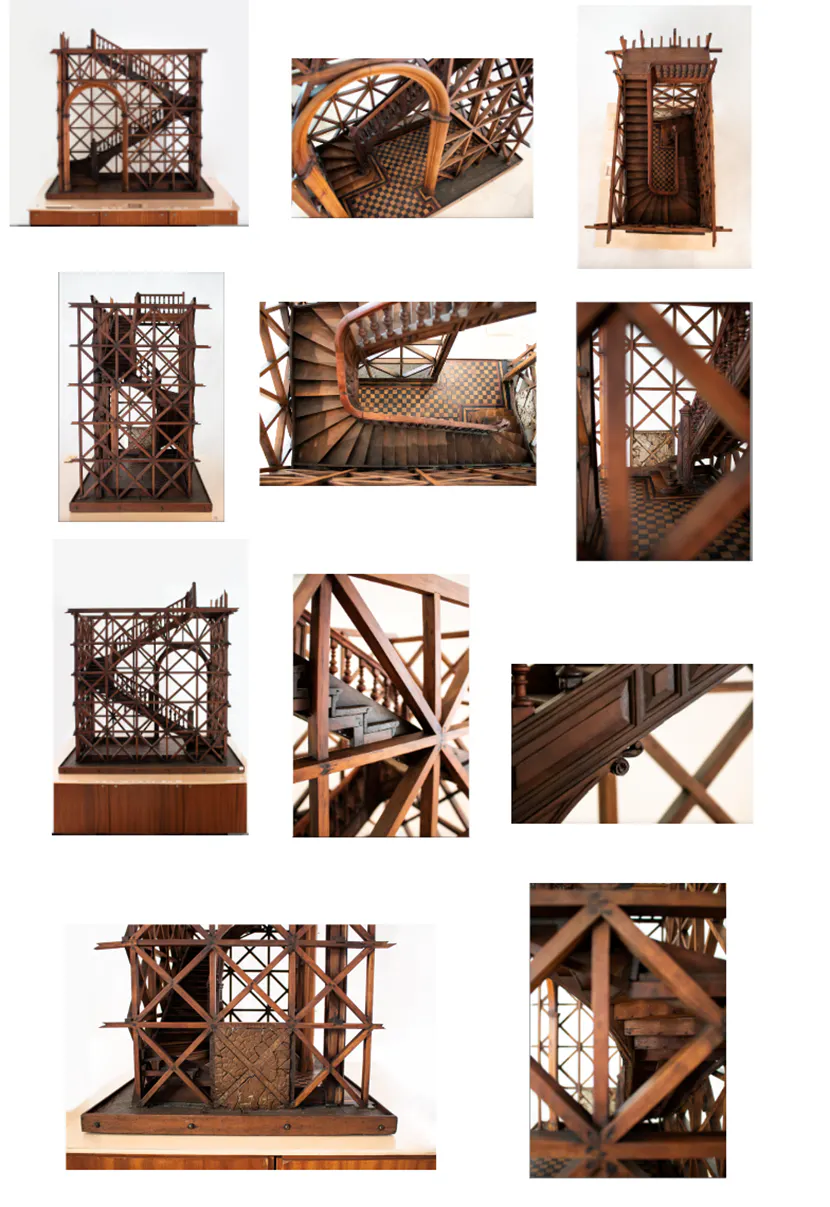
The most famous model of the Pombaline Cage is in the Museu de Engenharia Civil do Instituto Superior Técnico. The model shows what today is called a "stairwell", in this case a beautiful monumental staircase, in which we can see how the wooden structure that supports the building surrounds the staircase. Pay attention to the details: the "mosaic" (wood inlay?) floor, the fitting of the top surface of each step, the decorative elements of the balustrade...
The "Gaiola Pombalina" is a typically Portuguese structural element, although its origin is unknown. Most probably based on existing constructive models, both in Lisbon, in old areas of the city, namely the Castle hillside, and in Northern Europe and Turkey, this model presents new characteristics, fulfilling many more requirements. It is a wooden structure composed of diagonal elements, the Santo André crosses, vertical elements and horizontal elements, which gives it superior elasticity. This structure itself has a good seismic behaviour, which is improved by the masonry infill, giving it even more resistance. Another reason for the great resistance of this construction method (not represented in this model), is the wooden piling system on which the buildings were based, the foundations of the downtown buildings that, impregnated with salt water, resisted rotting and fire.
But what is the origin of the name “Gaiola”(cage)? During the reconstruction of Lisbon people thought it was funny to see these structures, similar to cages for large birds, going up. Only in a second phase were the structure walls filled with masonry, making the building "opaque". It was very curious for passers-by to see the carpenters arrive first and only then the masons! The nickname “Pombalina” was given to it later, for being emblematic of the reforms that the Marquis of Pombal instilled in the city.
It is said that the "Gaiola Pombalina" was tested at the time, at full scale, on large wooden platforms built in the Terreiro do Paço. Soldiers would have marched alongside the structures to imitate the vibrations of an earthquake, but there is also a theory that they would have hit the platforms with hammers. If this really happened, this test created the first seismic table in history. However, it is more likely that it was not a test, but a demonstration of a technique invented and discreetly perfected in the Casa do Risco, na inswhere the new Lisbon was planned and designed.
The use of the "Gaiola Pombalina", immediately generalised, is not indicated in any decree - although it is somewhat implied in the instructions that accompanied the final plan for reconstruction, completed in June 1758. The "Gaiola Pombalina" was maintained as a construction method until the 1930s. Curiously, no technical drawings of this system are known. Which leads us to think of very specialized techniques but passed orally from "gaioleiro" to "gaioleiro" - master carpenters specialized in its construction.
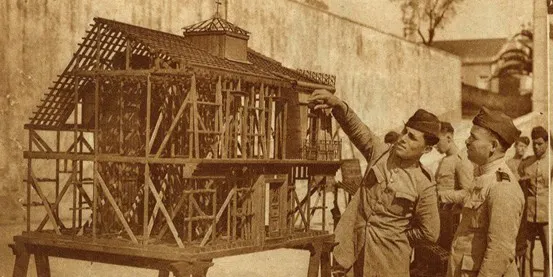
This model, a miniature of the Gaiola Pombalina (Pombaline Cage) belonging to the Regiment of Sapper Firemen, served for years to instruct firemen on the type of wooden structure they would find in case of fire in buildings in downtown Lisbon.
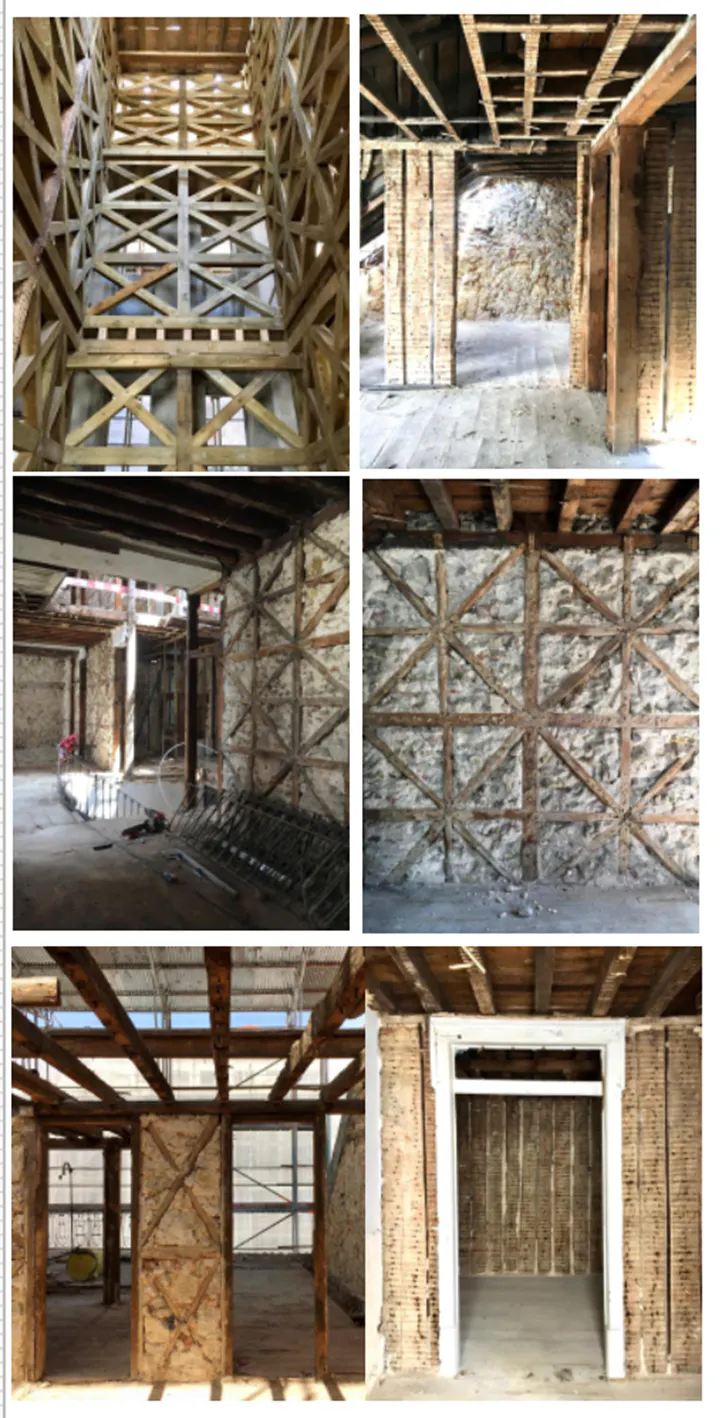
Images of the interior of a seven-storey Pombaline building in downtown Lisbon, namely in Rua do Ouro, during thorough rehabilitation works in 2018/2020. In these photos we can see the structure of the Pombaline cage, with and without masonry infill, and also examples of interior spans, with their characteristic doors. Notice also the interior walls, how they were made, with boards at the top and “fasquiado”, for application of the plaster, the so-called "tabique" walls.
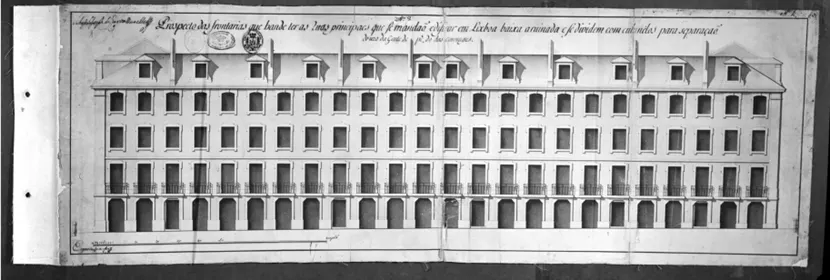
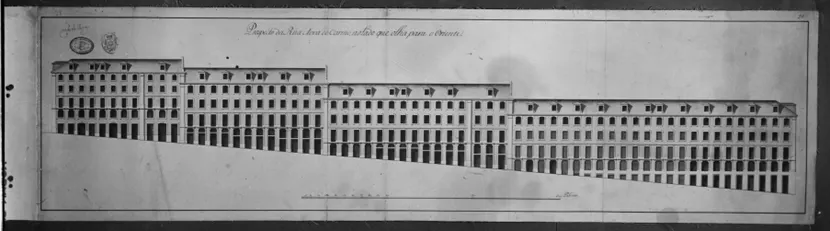
When we look at these elevations, part of the collection Cartulário Pombalino, we can see how the structure of the “gaiola” determines them. But it is not only the “gaiola” that gives the Pombaline style its characteristic modular repetition. Stonework, ironwork, doors, windows, even specificaly made tiles, are repeated systematically in façades, porches, staircases and interiors. The obvious reasons for this are the need for order, economy and urgency. But its application ended up being a determining factor of the Pombaline aesthetic, operating simultaneously as its cause and consequence.
This construction method, based on standardisation and prefabrication, on this scale, was a total novelty in the history of national construction. This was one of the greatest challenges of the Lisbon undertaking, which had to create and regulate factories inside and outside the city, with the capacity to supply the reconstruction machine with prefabricated elements, ready to install. One of the possible inspirations for these constructive solutions may have been the tents imported from Holland, immediately after the earthquake, which arrived ready to be assembled in 24 hours - a source of amazement for Lisboetas and travellers alike.
Continue Exploring
Podcast “110 Histórias, 110 Objectos: a gaiola pombalina”:
Building on Rua do Ouro
Model of Lisbon before the earthquake:
Pre-Earthquake Lisbon (3D City):
City Museum (Terreiro do Paco 3D):
Bibliography
Cristóvão AIRES, Manuel da Maia e os engenheiros militares portugueses no terremoto de 1755, Imprensa Nacional, 1910.
Cristóvão AIRES, Manuel da Maia e os engenheiros militares portugueses no terremoto de 1755: https://purl.pt/848
Teresa Campos COELHO, «Modelos, métodos e técnicas da reconstrução pombalina», Discursos, Língua, cultura e sociedade, nº 1, Abril, 1999, pp. 215-230: https://repositorioaberto.uab.pt/handle/10400.2/4271?locale=en
José-Augusto FRANÇA, A Reconstrução de Lisboa e a Arquitectura Pombalina, Biblioteca Breve, Instituto de Cultura e Língua Portuguesa, 1989.
José-Augusto FRANÇA, Lisboa pombalina e o Iluminismo, Bertrand, 1987.
Jorge MASCARENHAS, Sistemas de Construção V – O Edifício de Rendimento da Baixa Pombalina de Lisboa., Livros Horizonte, 2009.
Lúcia Lima RODRIGUES, and Russell CRAIG, «Recovery amid Destruction: Manoel Da Maya and the Lisbon Earthquake of 1755», Libraries & the Cultural Record, volume 43, no. 4, 2008, pp. 397–410. http://www.jstor.org/stable/25549516.
Walter ROSSA, On the 1st Plan, Câmara Municipal de Lisboa, 2008.
Walter ROSSA, Além da Baixa: Indícios de planeamento urbano na Lisboa Setecentista, Ministério da Cultura/IPPAR, 1998.
Cristóvão Aires de Magalhães SEPULVEDA, Manuel da Maia e os engenheiros militares portugueses no terremoto de 1755, Imprensa Nacional, 1910.
Gustavo Matos SEQUEIRA, «A cidade de D. João V», Lisboa: oito séculos de História, Vol. II, Câmara Municipal de Lisboa, 1947, pp. 468-487.
Raquel Henriques da SILVA, Lisboa Romântica, Urbanismo e a Arquitectura, 1777-1874, Tese de doutoramento, FCSH, Universidade Nova de Lisboa, 1997.
1755 O Grande Terramoto de Lisboa, FLAD/Público, 2005.
Show other RFID points
Room of Tales
Providências
Read more
Room of Tales
The German merchant
Read more
Room of Tales
Surgeon Bleeding Barber
Read more
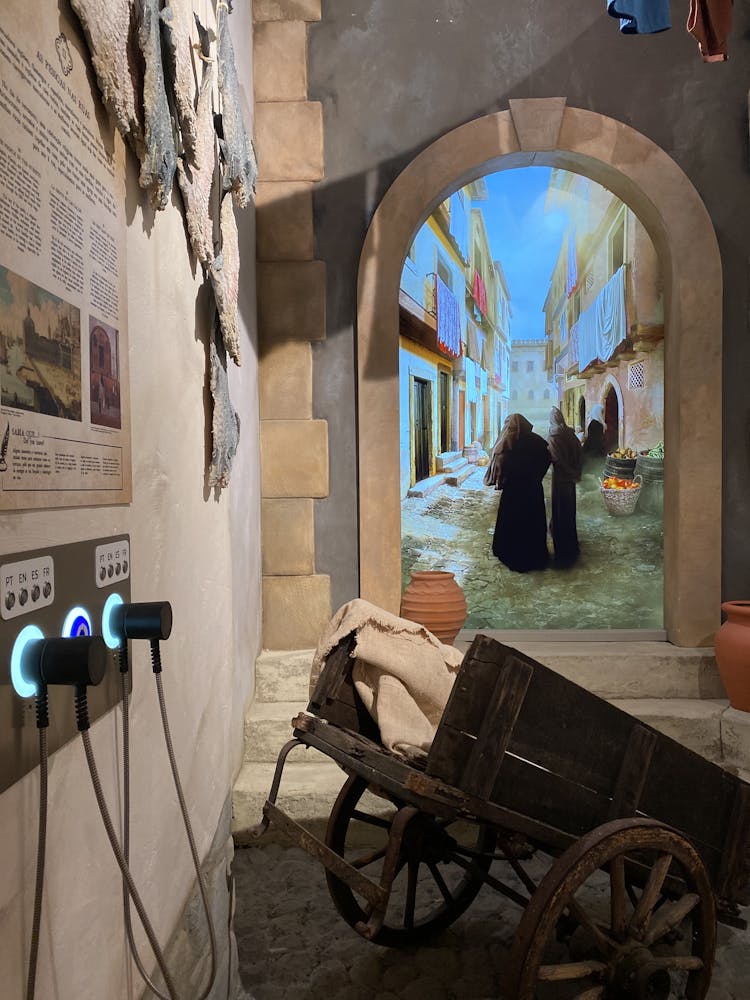
Streets of Lisbon
The people in the streets
Read more
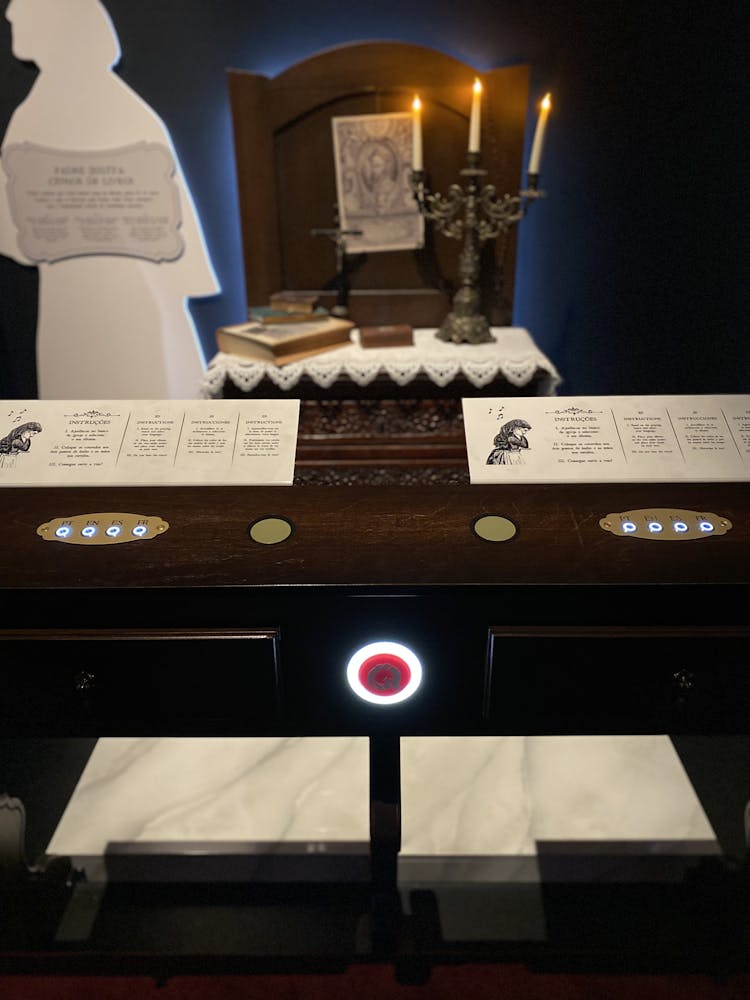
Room of Tales
Jesuit book censor Priest
Read more
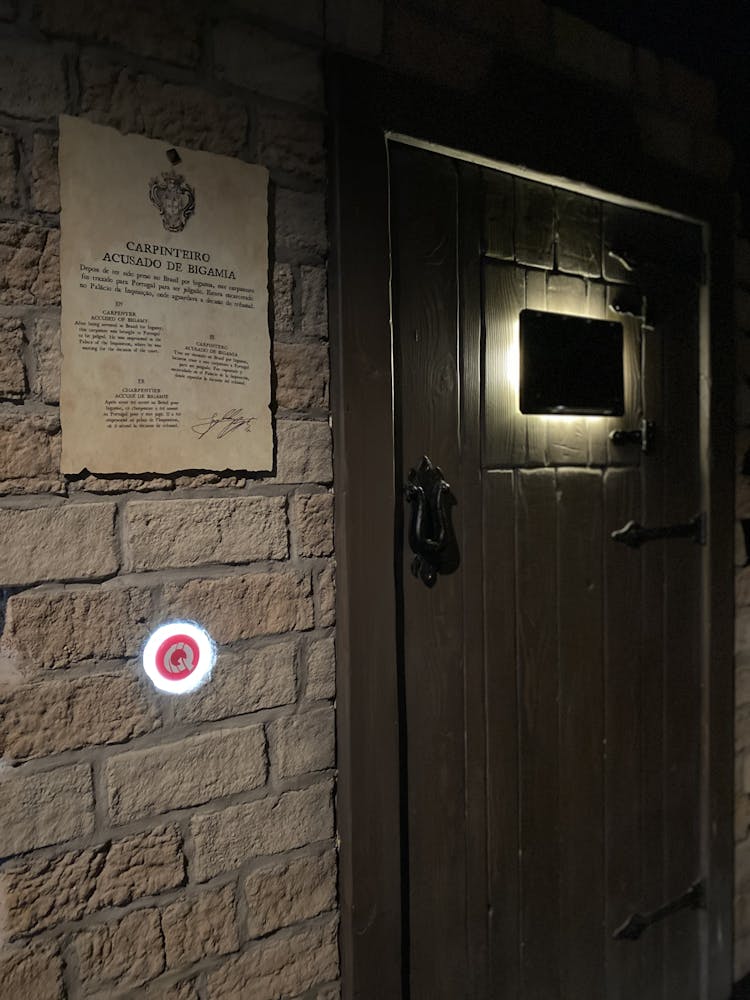
Room of Tales
Carpenter accused of bigamy
Read more
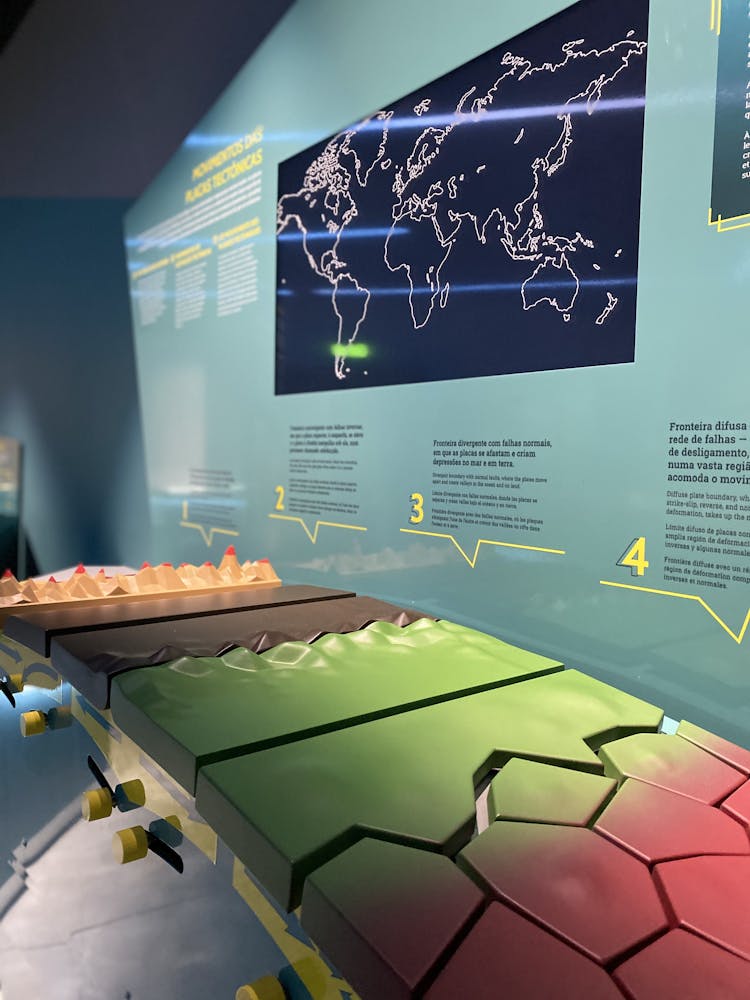
Training Centre
Tectonic Plates and Moving Plates
Read more
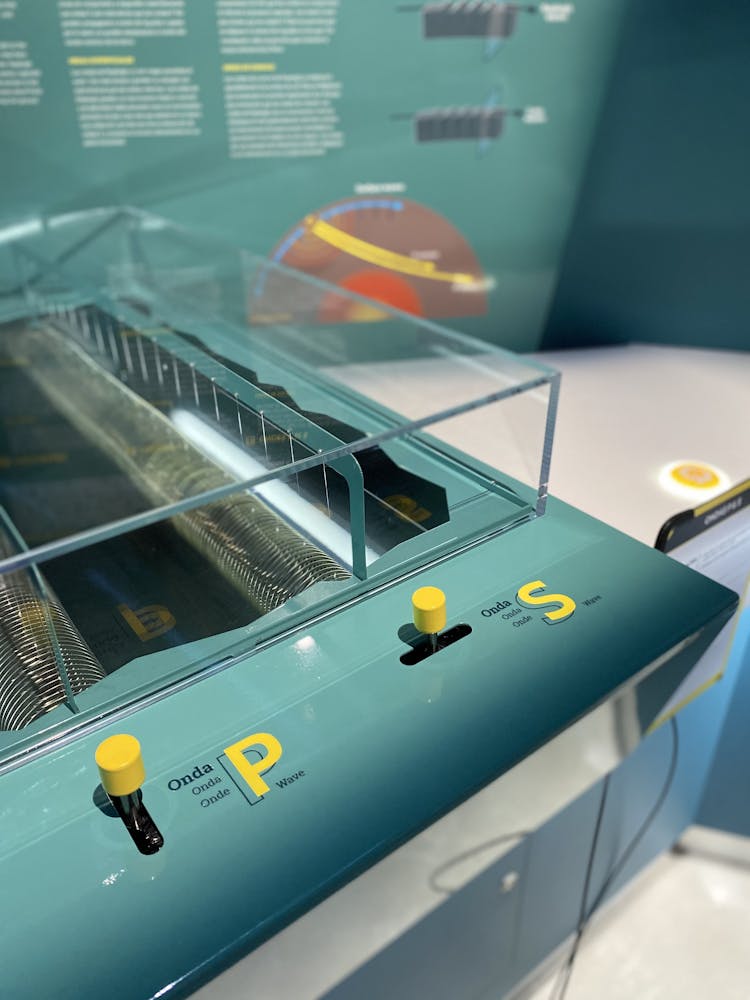
Training Centre
P&S Waves
Read more
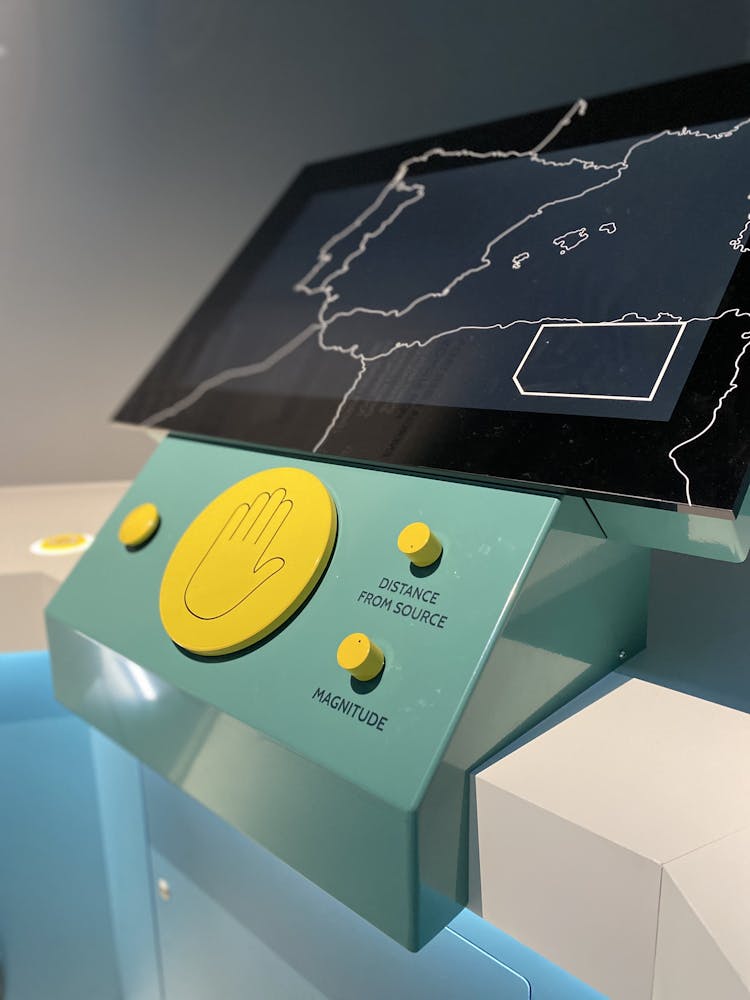
Training Centre
The Size of an Earthquake
Read more
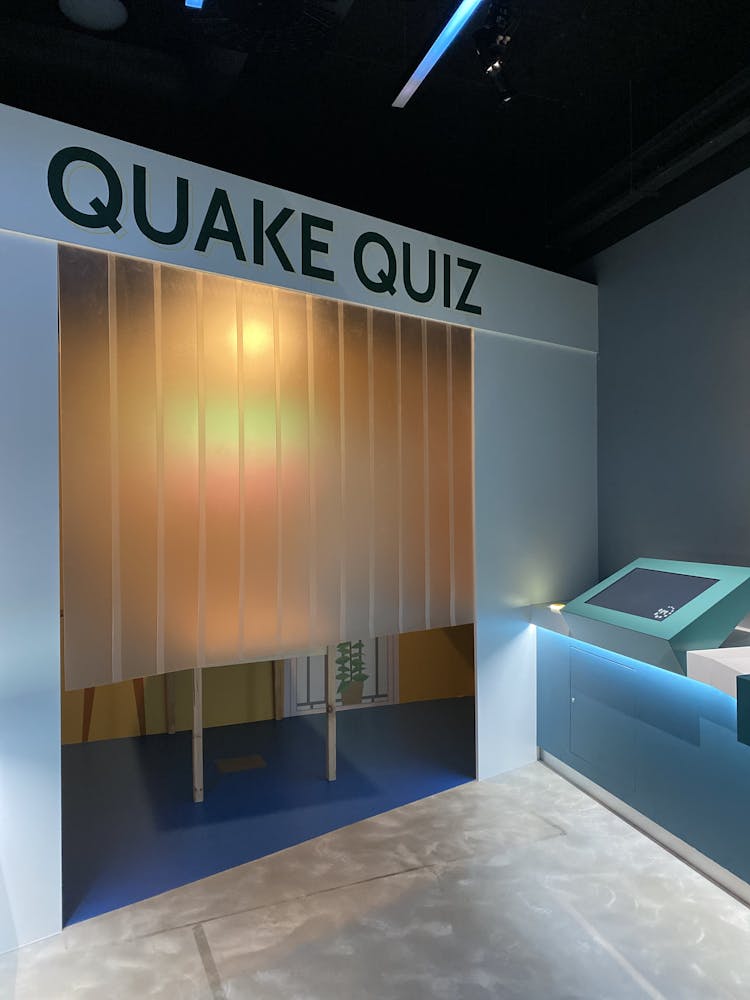
Training Centre
Are we prepared for the next one?
Read more
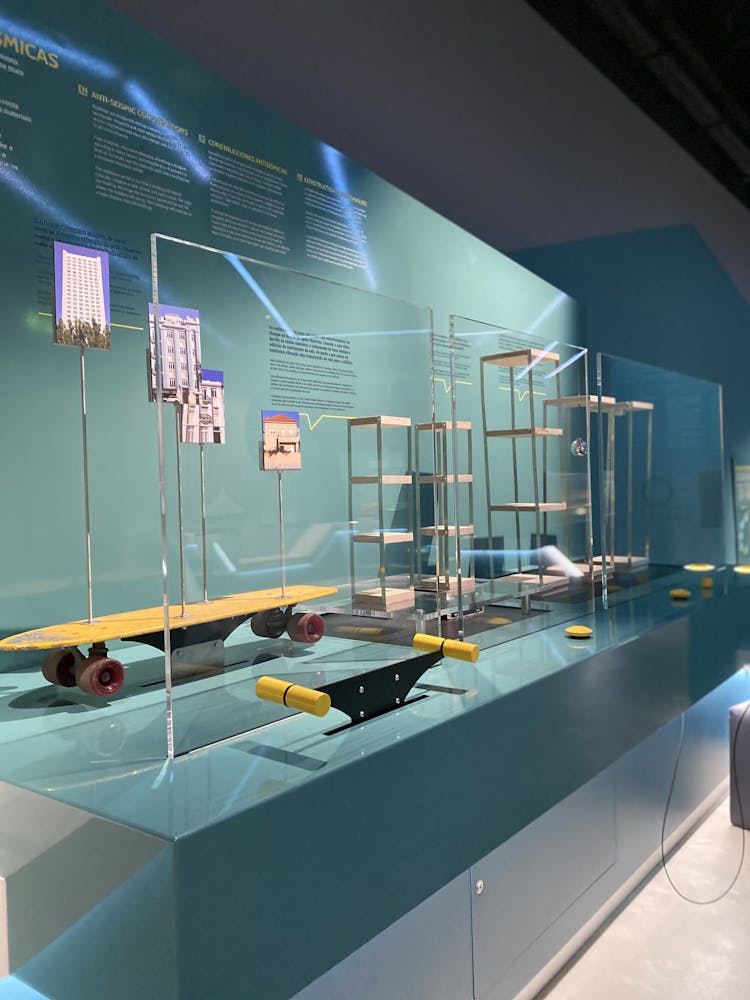
Training Centre
Anti Seismic Constructions
Read more
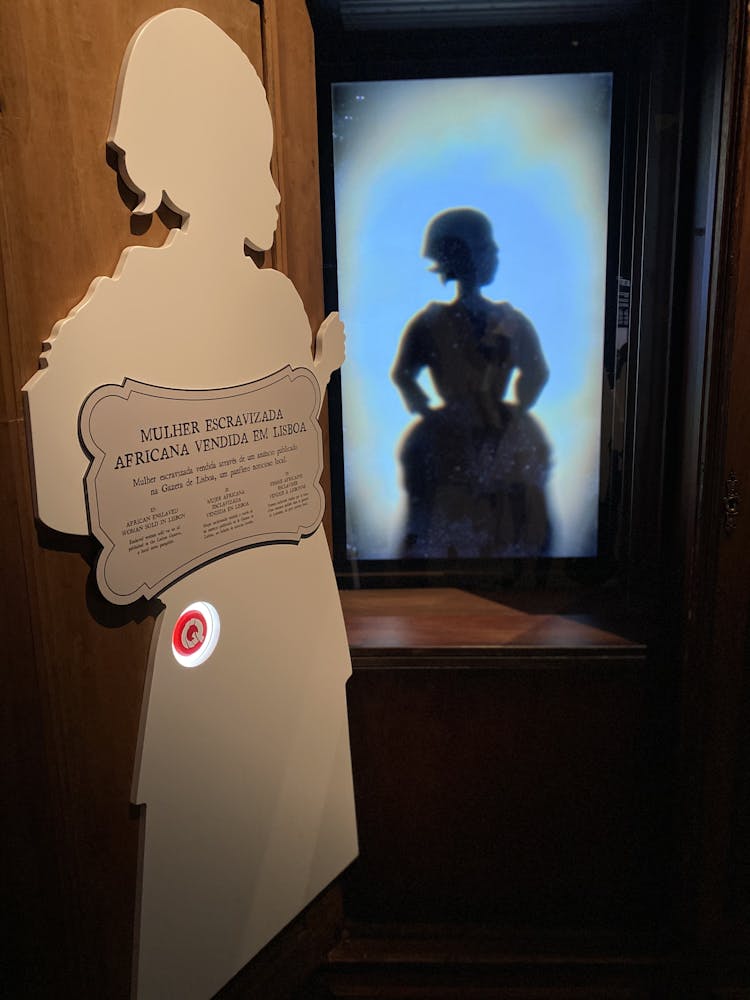
Room of Tales
African enslaved woman bought in Lisbon
Read more
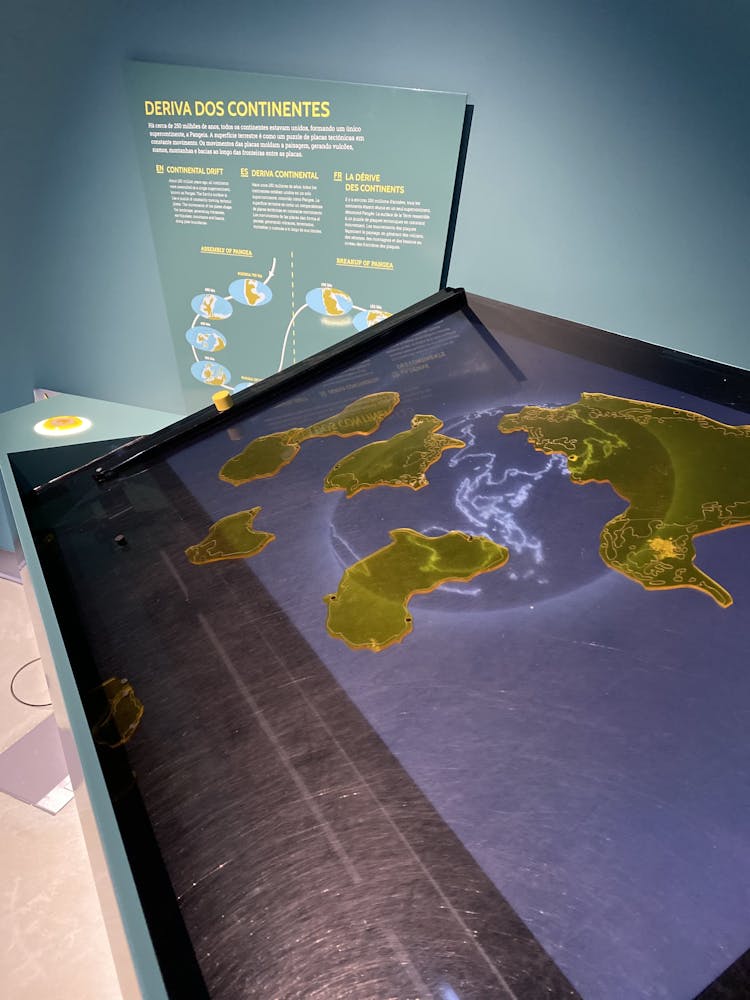
Training Centre
Continental Drift
Read more
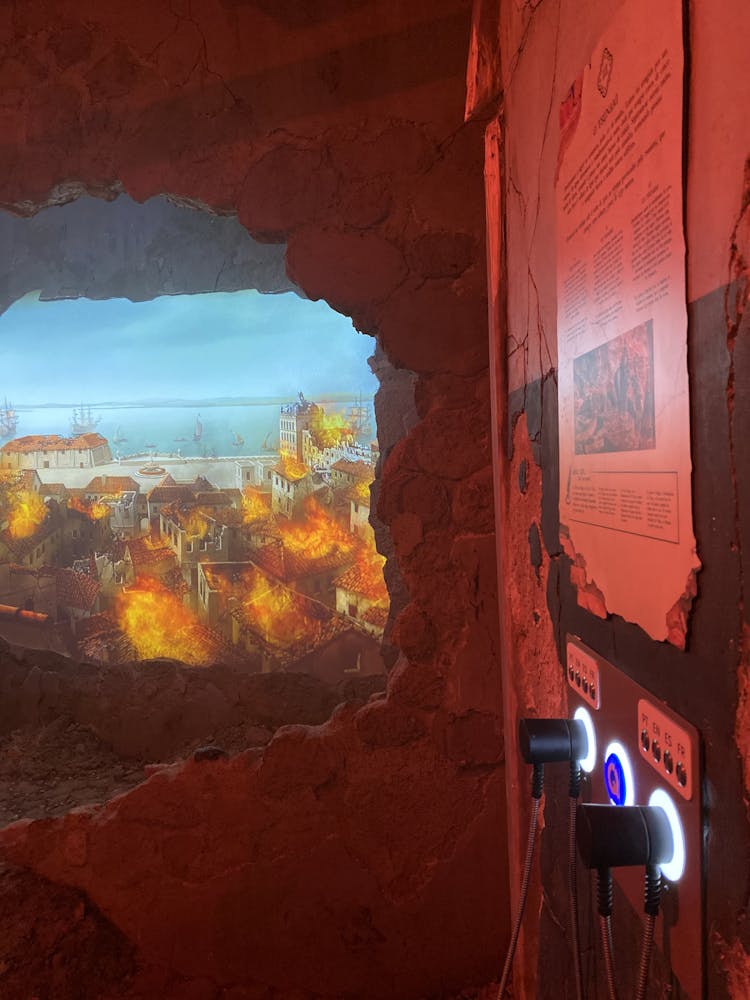
Tsunami and Fire
The Tsunami
Read more
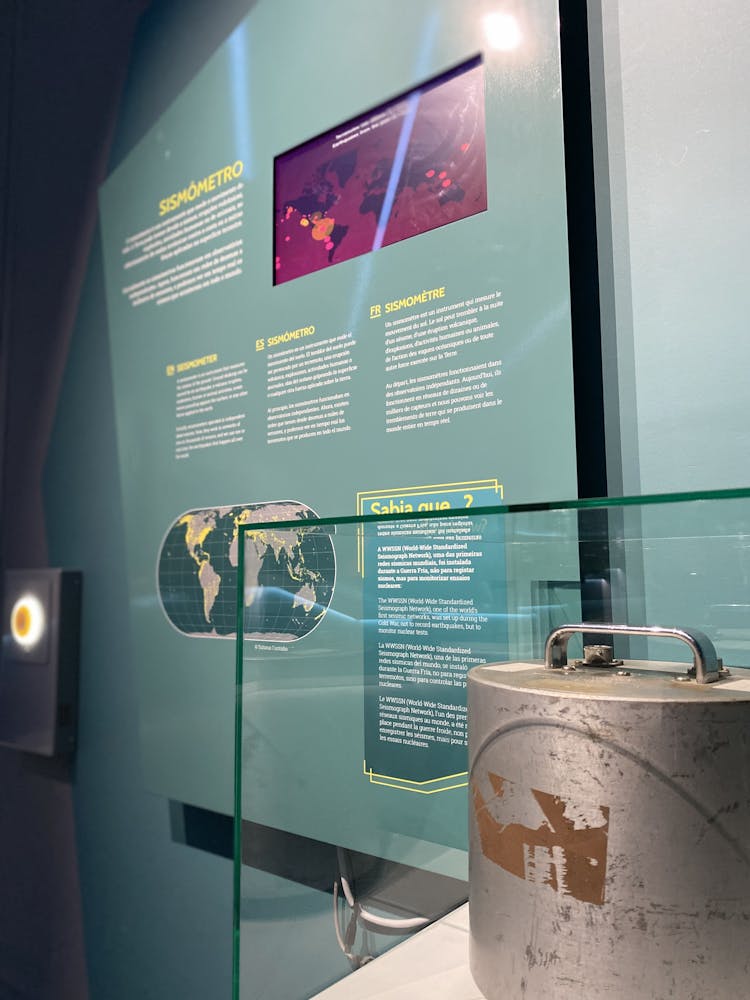
Training Centre
Seismometer
Read more
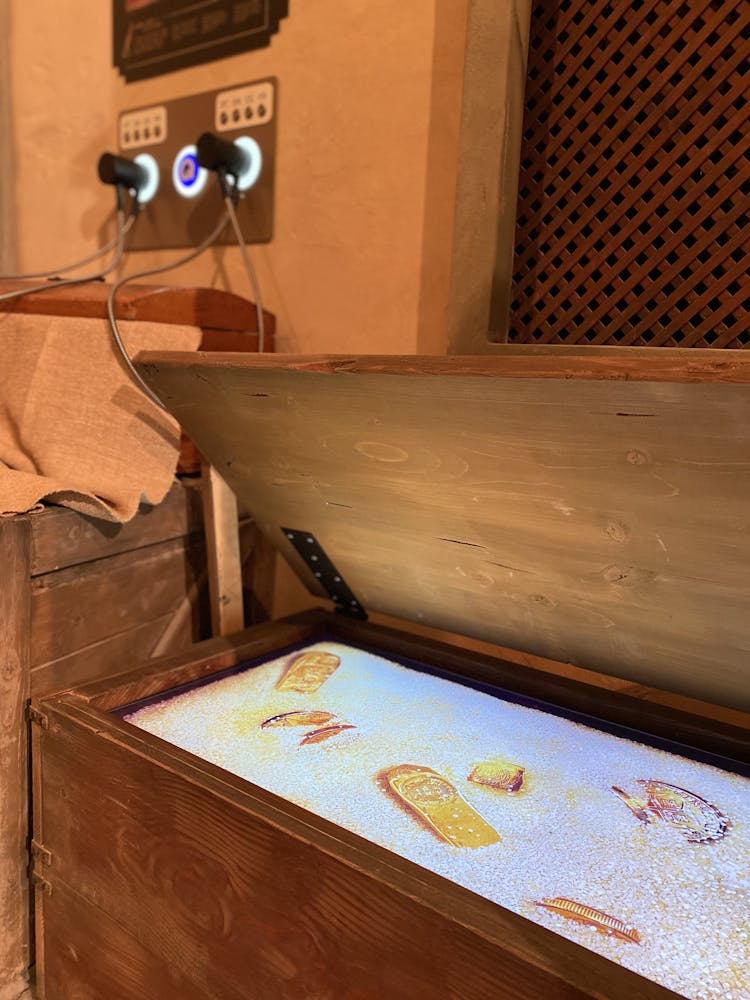
Streets of Lisbon
Richness of the city and gold smuggling
Read more
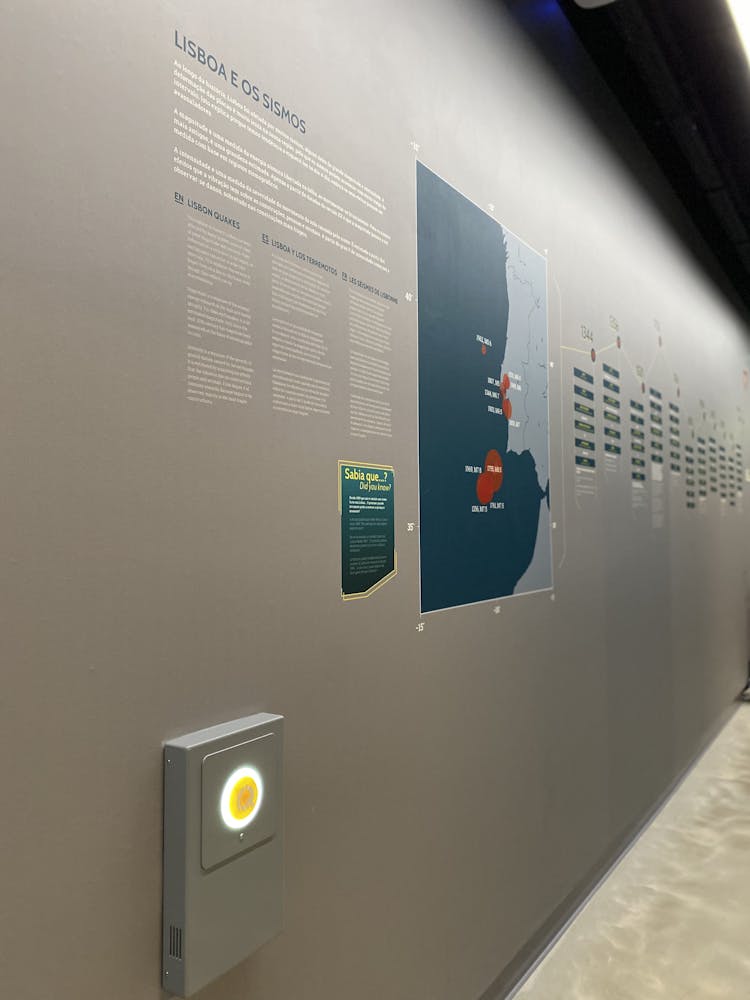
Significant Earthquakes
Portugal Tectonics and Lisbon Quakes
Read more

Tsunami and Fire
How the fires started and propagated
Read more
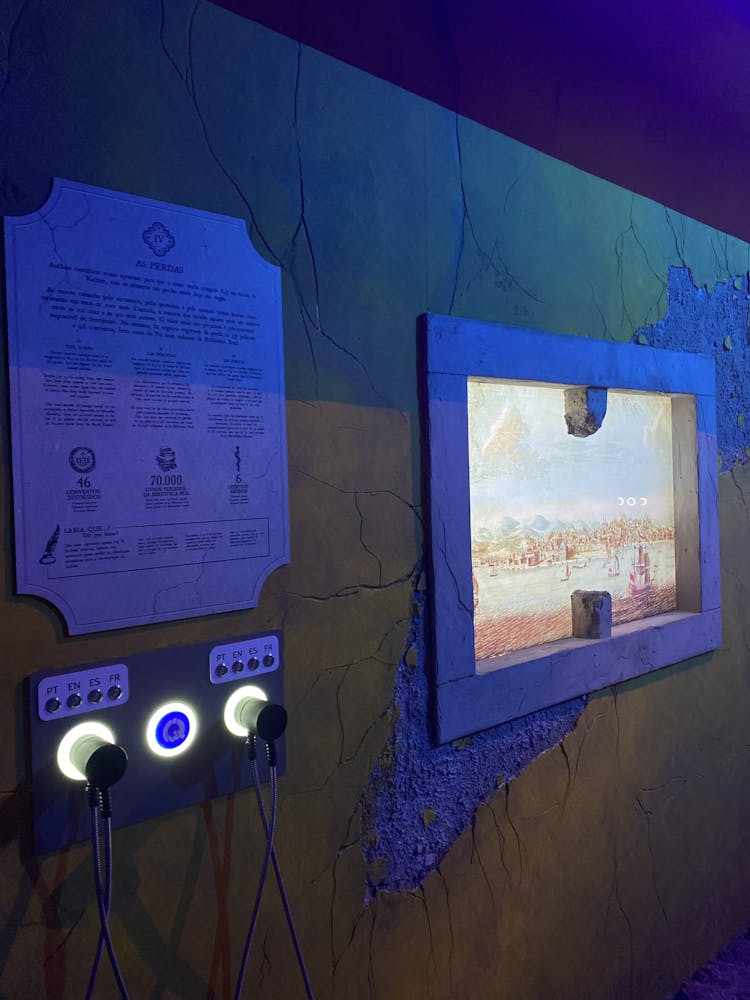
Tsunami and Fire
The losses
Read more
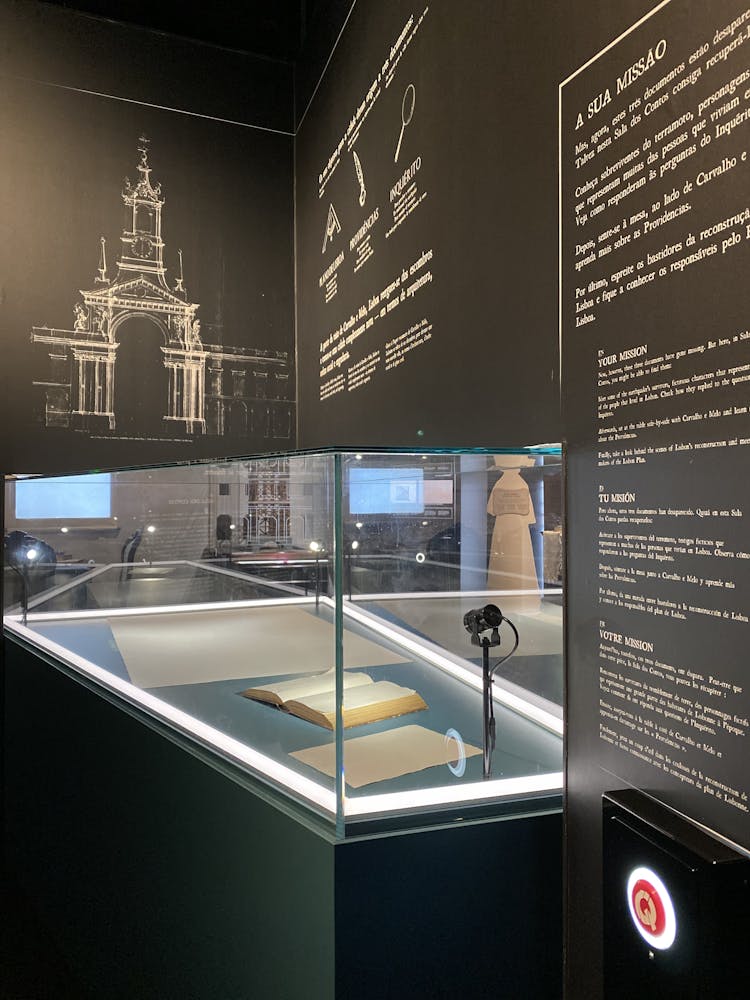
Room of Tales
The three missing documents
Read more
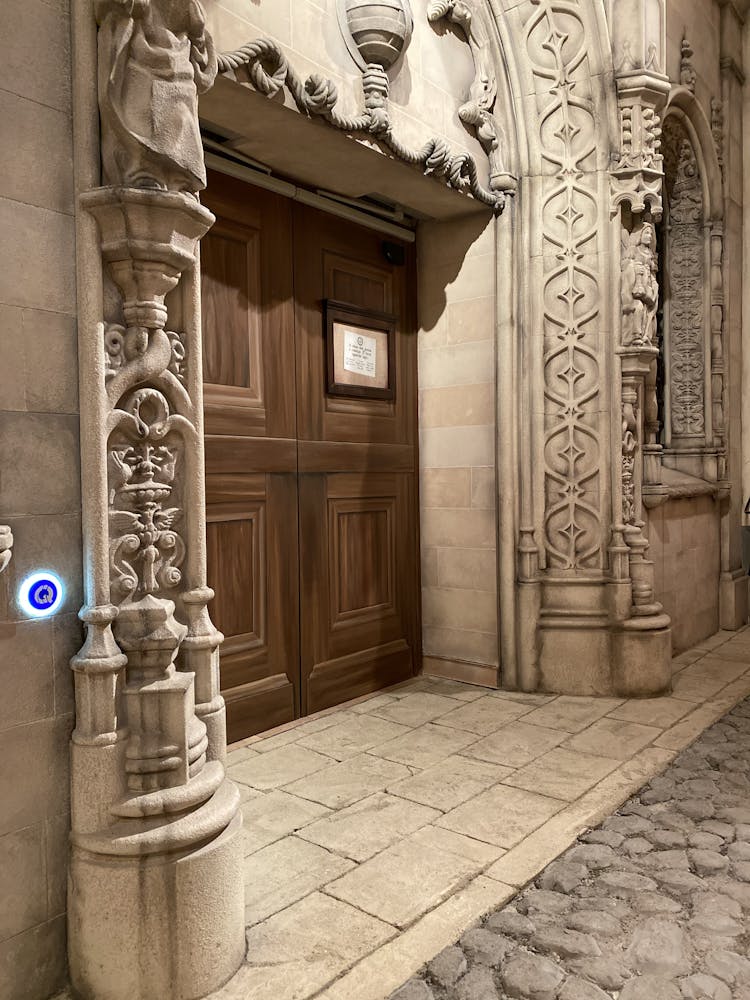
Streets of Lisbon
Traditional Rite Masses
Read more
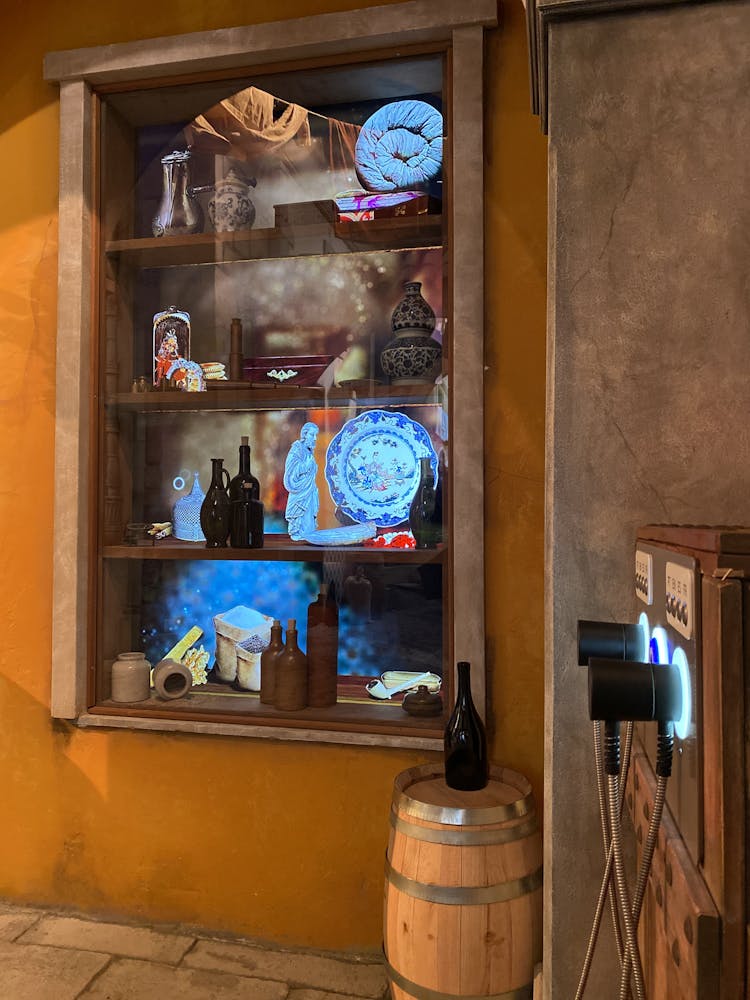
Streets of Lisbon
The connection with the colonized territories
Read more
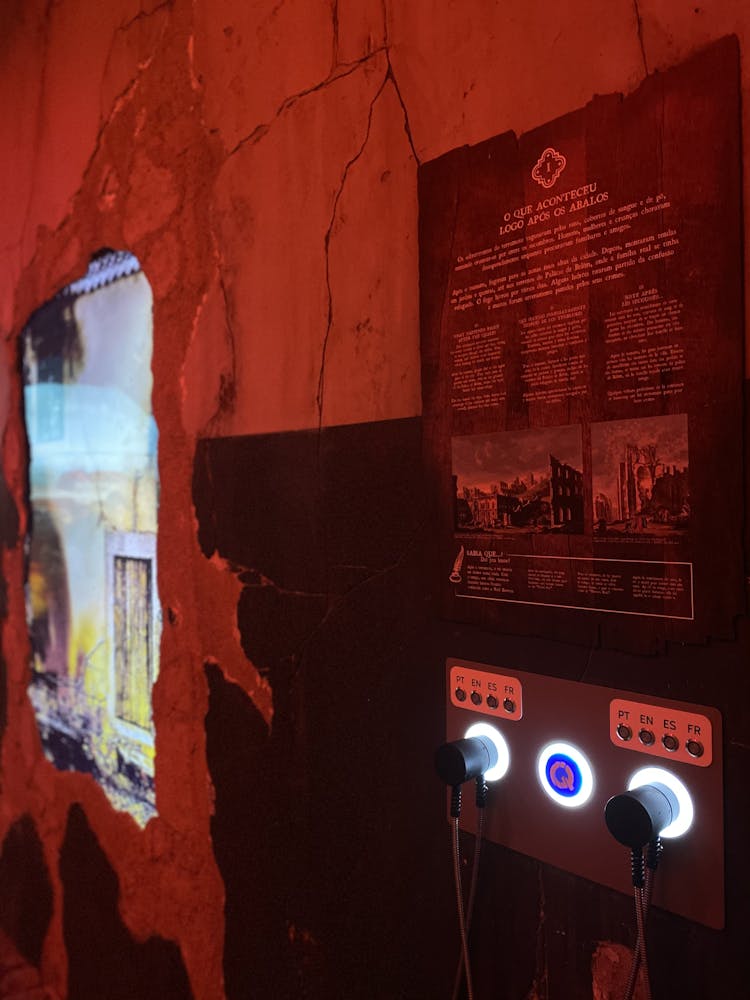
Tsunami and Fire
What happened right after the quakes
Read more
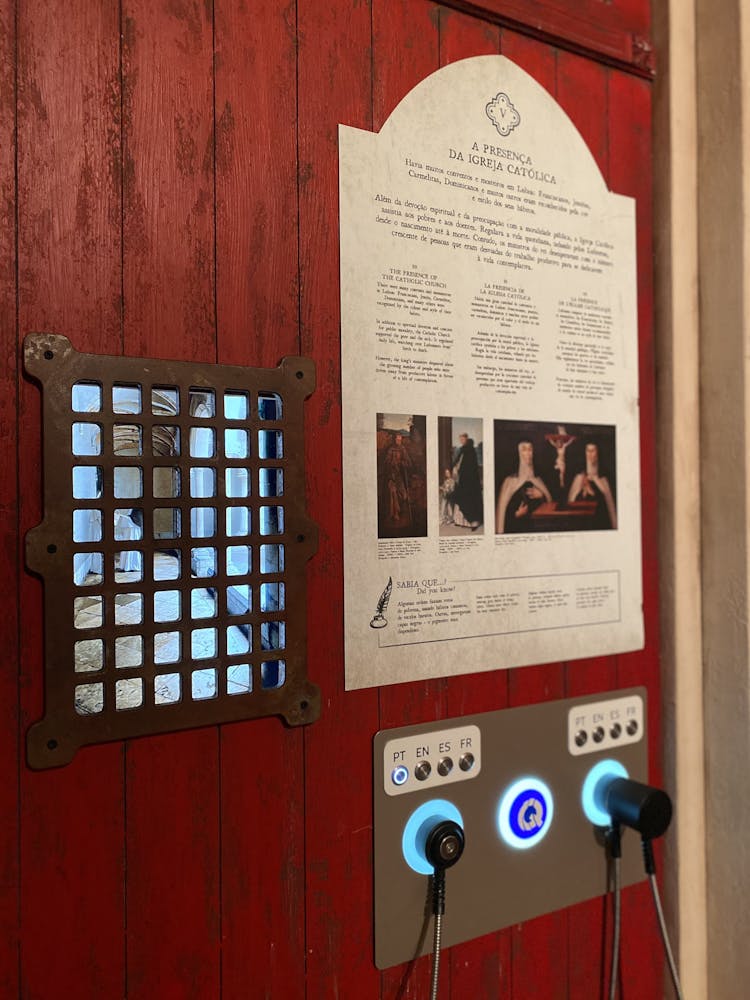
Streets of Lisbon
Presence of the Catholic Church
Read more
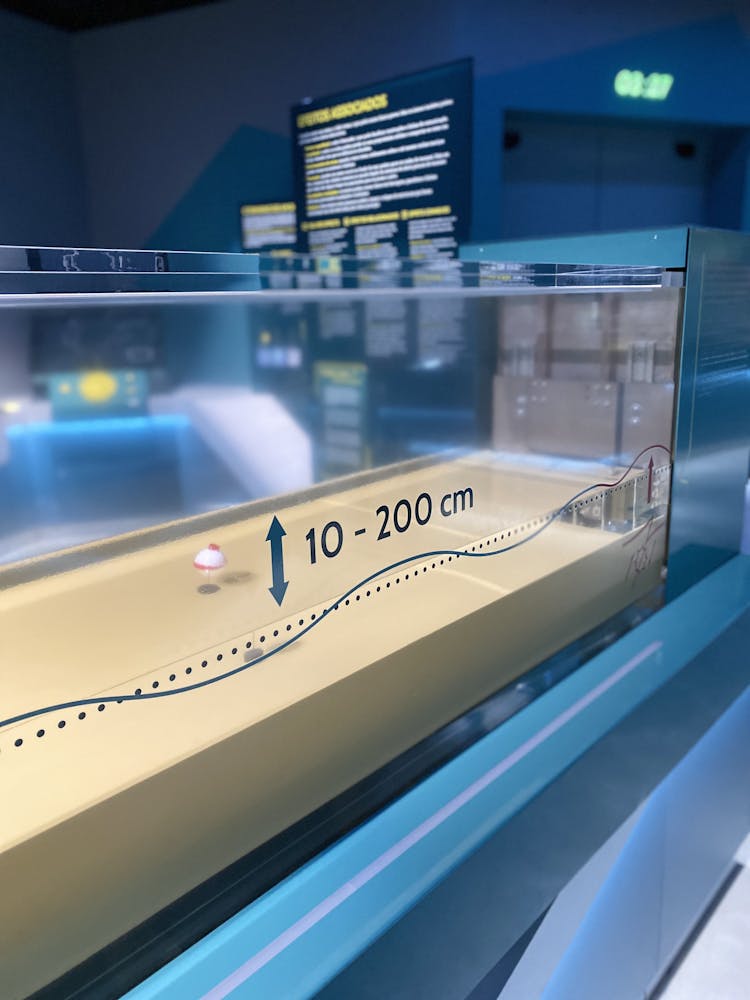
Training Centre
Related Effects
Read more
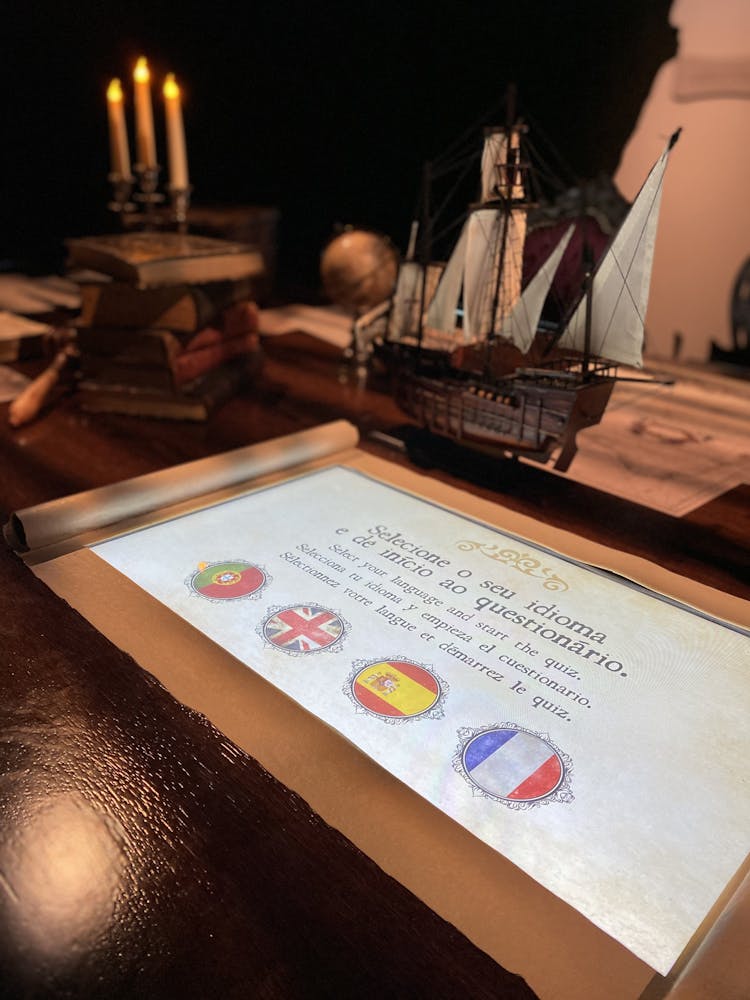
Room of Tales
The King's Ministers
Read more
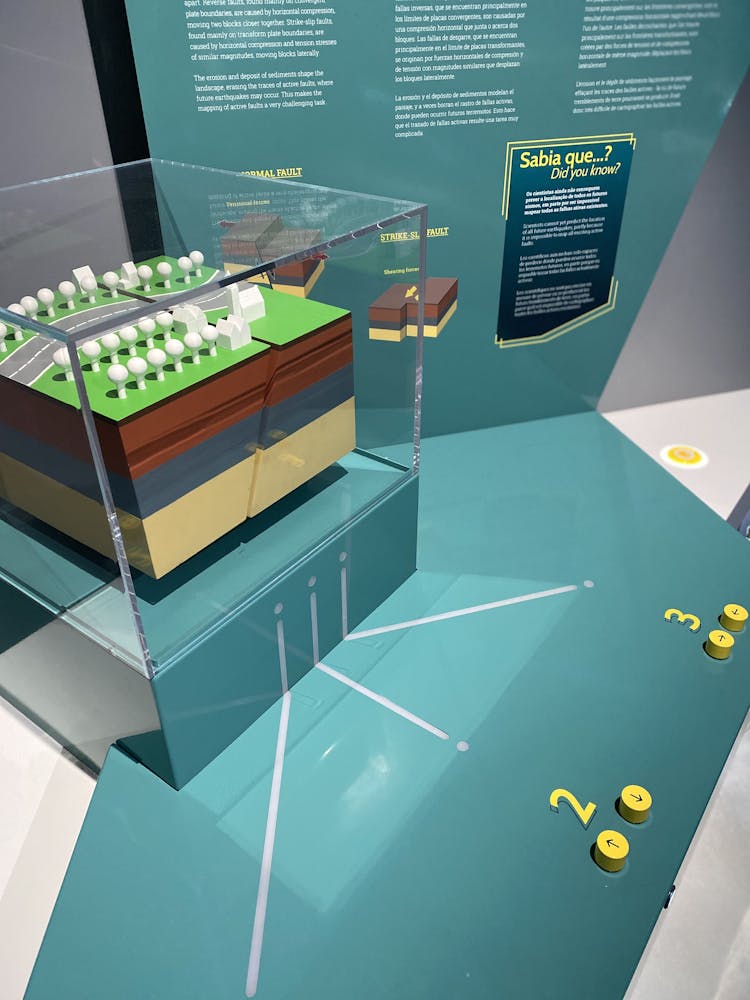
Training Centre
Earthquakes and Faults
Read more
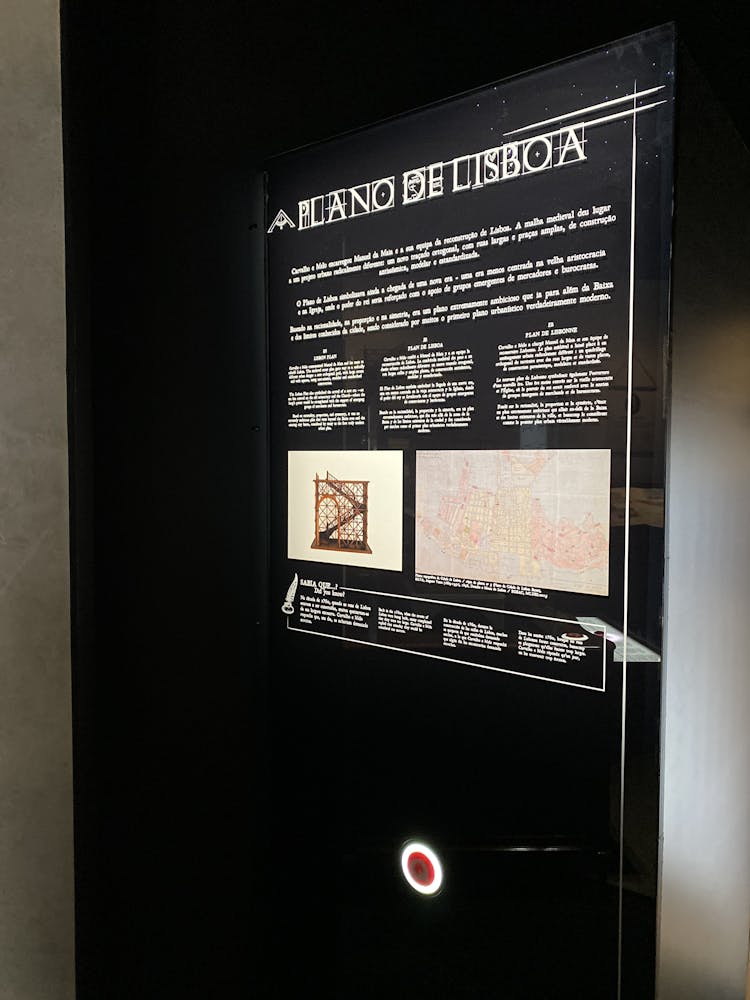
Room of Tales
Lisbon Plan
Read more
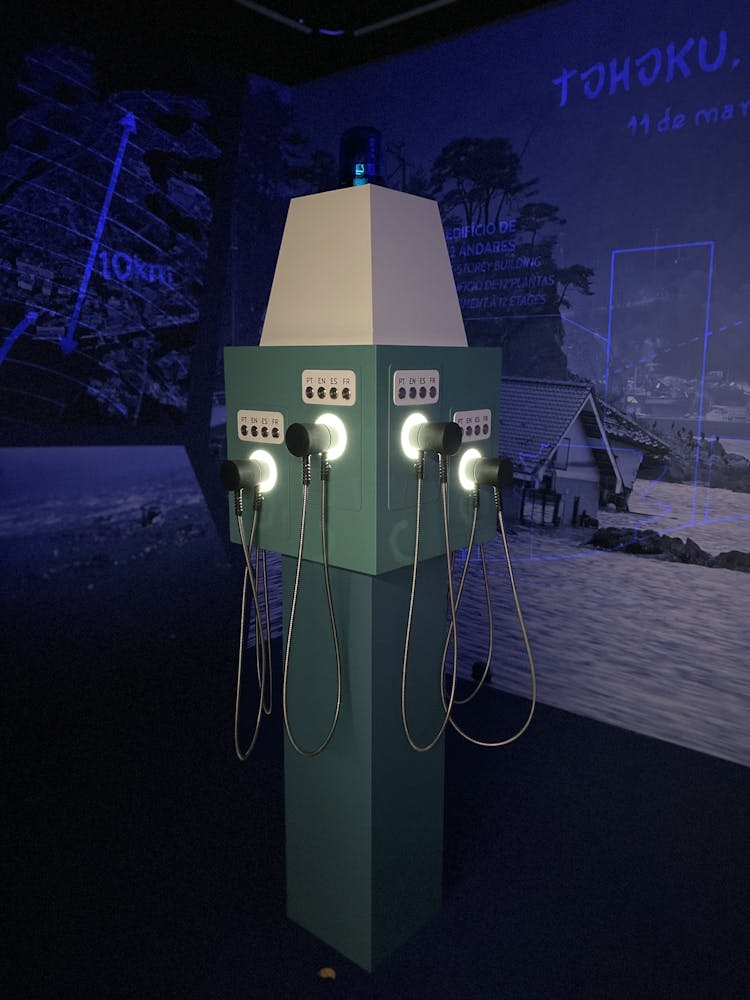
Significant Earthquakes
San Francisco and Tohoku
Read more
Room of Tales
Manuel da Maia's Studio
Read more
Room of Tales
Gaiola Pombalina
Read more
End Tunnel
Be prepared
Read more
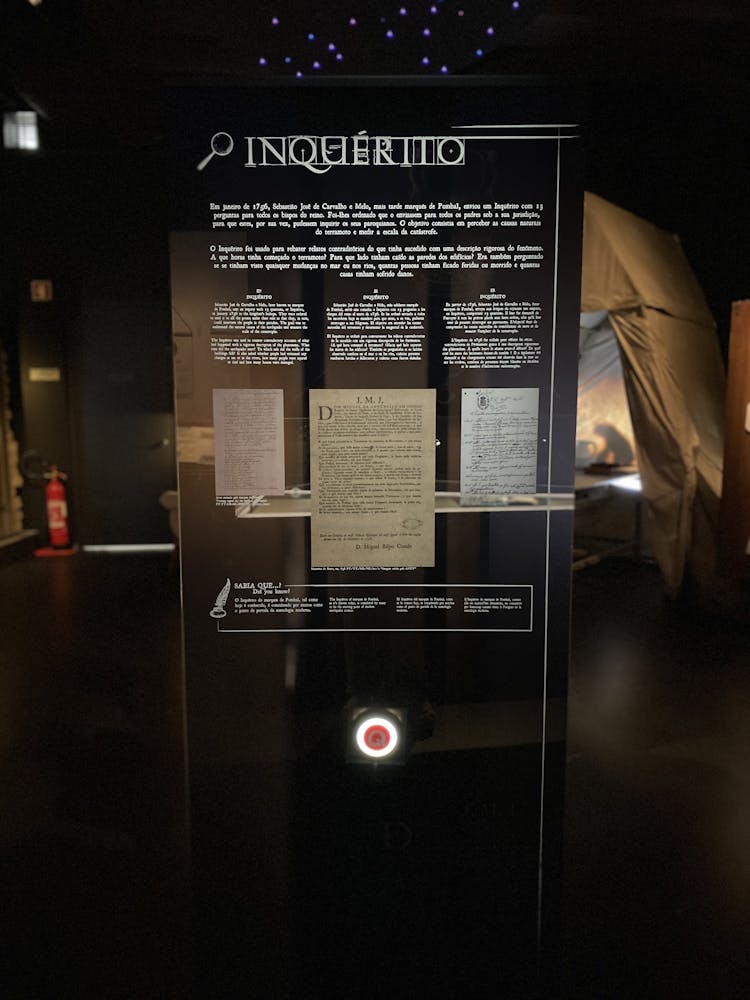
Room of Tales
Inquérito
Read more